Lahore Fort – Complete History, Architecture and Visitor Guide 2026
Historical Places Admin Last Updated: September 19, 2026 5 min read 23 views
Lahore Fort – Complete History, Architecture and Visitor Guide 2026

Lahore Fort (Shahi Qila): Complete Historical and Travel Guide

Introduction to Lahore Fort

Lahore Fort, also known as Shahi Qila, is one of the most famous historical landmarks in Pakistan. Located in the historic Walled City of Lahore, Punjab, the fort is an important symbol of Mughal architecture, history and culture.

The present fort complex was developed mainly during the Mughal period and was expanded by several Mughal emperors, including Akbar, Jahangir, Shah Jahan and Aurangzeb.

Lahore Fort is much more than a traditional fort. It is a large historical complex containing royal palaces, audience halls, mosques, gardens, decorative walls, courtyards and other important structures.

History of Lahore Fort

Early History of Lahore Fort

The history of Lahore Fort goes back many centuries. Although the exact origins of the earliest settlement at the site are uncertain, the location has been associated with Lahore’s historical development for a very long time.

Lahore Fort During the Mughal Period

During the reign of Emperor Akbar in the 16th century, the fort was substantially rebuilt and strengthened. Akbar introduced a combination of Islamic and South Asian architectural styles, using materials and decorative techniques that became important features of Mughal architecture.

Lahore Fort During Jahangir's Reign

During the reign of Emperor Jahangir, further improvements and additions were made to the fort.

The complex continued to serve as an important royal residence and administrative center. Jahangir’s period added new decorative and architectural elements to the existing Mughal structures.

Lahore Fort During Shah Jahan's Reign

Emperor Shah Jahan made some of the most beautiful additions to Lahore Fort.

His architectural style is known for the use of white marble, intricate decoration, floral designs, mosaics and detailed craftsmanship. Several famous structures inside Lahore Fort are associated with his reign.

Lahore Fort During Aurangzeb's Reign

Emperor Aurangzeb also contributed to the development of Lahore Fort.

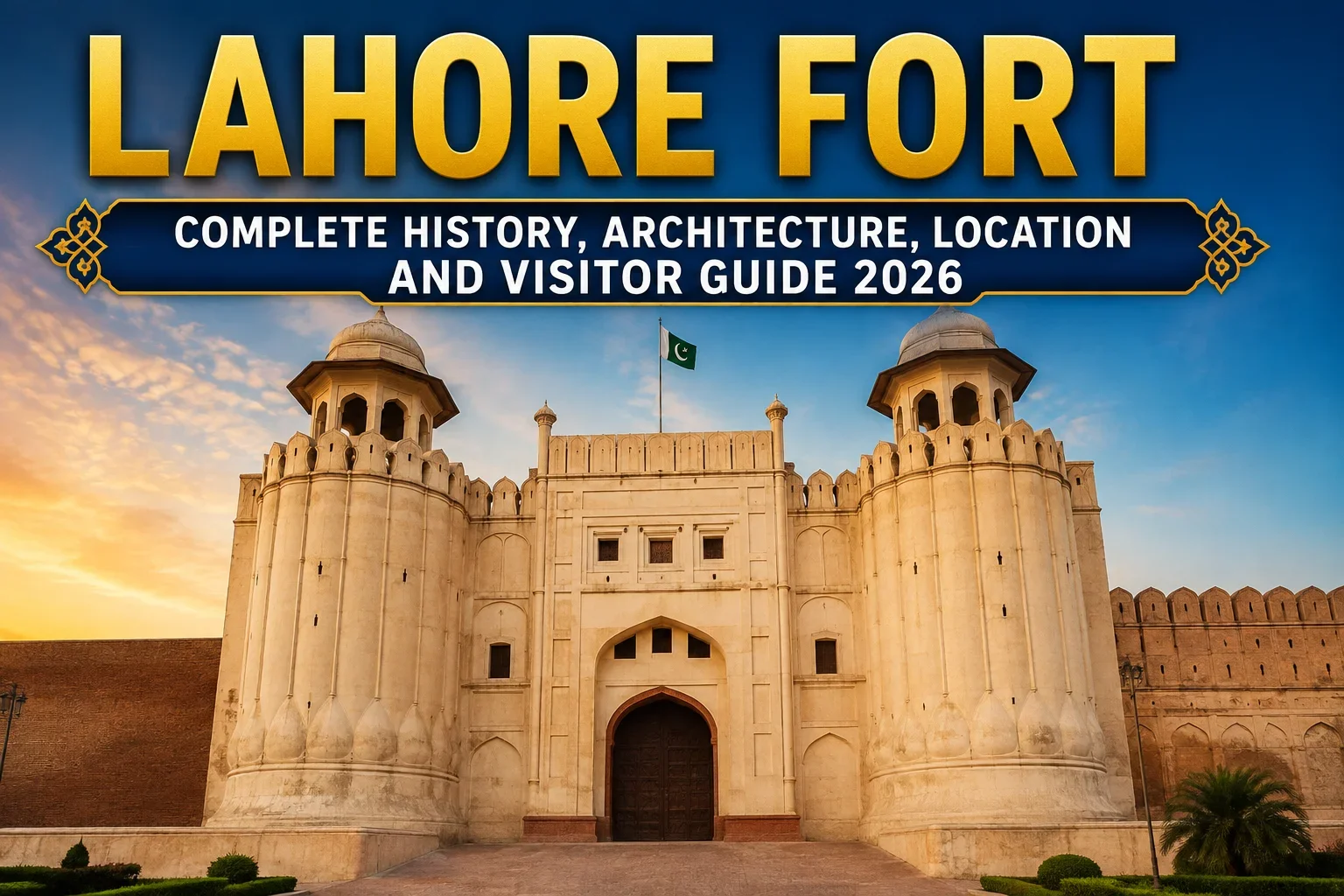
One of the most famous structures associated with his reign is the Alamgiri Gate. The gate is located opposite the Badshahi Mosque and is one of the most recognizable features of the Lahore Fort complex.

Famous Attractions Inside Lahore Fort

Sheesh Mahal

Sheesh Mahal, also known as the Palace of Mirrors, is one of the most famous attractions inside Lahore Fort.

It is famous for its beautiful mirror work, marble decoration and detailed artistic designs. The palace represents the luxurious lifestyle and artistic achievements of the Mughal royal court.

Naulakha Pavilion

The Naulakha Pavilion was built during Shah Jahan’s reign.

This elegant marble structure is known for its distinctive design and beautiful craftsmanship. It is one of the most visually attractive structures within the fort.

Diwan-e-Aam

Diwan-e-Aam, or the Hall of Public Audience, was used for public meetings and official matters.

The structure provides an insight into the administrative and ceremonial functions of the Mughal royal court.

Diwan-e-Khas

Diwan-e-Khas was associated with private royal meetings and important official discussions.

Its design reflects the elegance and detailed architectural style associated with the Mughal period.

Moti Masjid

Moti Masjid, also known as the Pearl Mosque, is another important structure inside Lahore Fort.

It is smaller than some of Lahore’s famous mosques but is admired for its simple and elegant Mughal architecture.

Alamgiri Gate

Alamgiri Gate is one of the most recognizable entrances of Lahore Fort.

The monumental gateway faces the Badshahi Mosque and has become an iconic part of Lahore's historic skyline.

Picture Wall

The Picture Wall is one of the most significant features of Lahore Fort.

It contains colorful tile mosaics, decorative artwork and intricate designs that demonstrate the artistic skills of the Mughal period.

Conservation efforts have been carried out to protect this valuable historical feature.

Lahore Fort During Sikh Rule

Maharaja Ranjit Singh and Lahore Fort

Lahore Fort also reflects the history of the periods that came after the Mughal Empire.

During Sikh rule, the fort was used by Maharaja Ranjit Singh and other Sikh rulers, and several additions and modifications were made.

These changes form an important part of the fort's later history.

Lahore Fort During British Rule

Later, during British rule, Lahore Fort was used for military and administrative purposes.

The use of the fort by different rulers over centuries has made it an important record of Lahore’s changing political, cultural and architectural history.

Lahore Fort and UNESCO World Heritage Status

Lahore Fort was included in the UNESCO World Heritage List in 1981 as part of the Fort and Shalamar Gardens in Lahore World Heritage property.

Its international heritage status highlights the cultural, historical and architectural importance of the site.

Architecture of Lahore Fort

Mughal Architectural Features

Lahore Fort contains numerous examples of Mughal architectural design, including marble structures, decorative tile work, intricate carvings, courtyards, domes and ornamental details.

Combination of Architectural Styles

The fort reflects different stages of architectural development and includes influences from Islamic, South Asian and later historical periods.

This combination makes Lahore Fort an important destination for people interested in architecture and history.

Location of Lahore Fort

Lahore Fort is located in the Walled City of Lahore, Punjab, Pakistan.

The fort is situated near several other famous attractions, making it possible for visitors to explore multiple historical sites during the same trip.

Nearby Attractions

Badshahi Mosque

Badshahi Mosque is located directly opposite the Alamgiri Gate and is one of Lahore's most famous historical landmarks.

Minar-e-Pakistan

Minar-e-Pakistan is another major landmark located near Lahore Fort and Greater Iqbal Park.

Wazir Khan Mosque

Wazir Khan Mosque is located within the historic Walled City and is known for its beautiful tile work and Mughal architecture.

Visitors can combine these attractions into a historical tour of central Lahore.

Best Time to Visit Lahore Fort

The best time to visit Lahore Fort is generally from October to March because the weather is cooler and more comfortable for walking.

During the summer months, visitors may prefer to visit early in the morning or later in the afternoon to avoid extreme heat.

How Long Does It Take to Visit Lahore Fort?

A visit to Lahore Fort can normally take around 2 to 4 hours, depending on how many monuments and areas a visitor wants to explore.

Visitors interested in photography, architecture and detailed historical exploration may want to spend additional time at the site.

Who Should Visit Lahore Fort?

Lahore Fort is suitable for:

  • Families
  • Students
  • Photographers
  • Tourists
  • History lovers
  • Architecture enthusiasts
  • Researchers

Students can learn about Mughal history and architecture, while photographers can explore the fort's detailed decorations, historic structures and courtyards.

Visitor Tips for Lahore Fort

What to Carry

  • Comfortable shoes
  • Drinking water
  • Sun protection
  • Mobile phone or camera
  • Personal medicines
  • Necessary identification documents

Important Visitor Guidelines

  • Follow the instructions of the site administration.
  • Avoid touching or damaging historical structures.
  • Do not write on walls or monuments.
  • Keep the historical area clean.
  • Wear comfortable shoes because the visit involves considerable walking.
  • Confirm the latest opening hours and ticket information before visiting.

Why Visit Lahore Fort?

Lahore Fort offers visitors an opportunity to experience centuries of Pakistan's history in one location.

From the magnificent Sheesh Mahal and Naulakha Pavilion to the Alamgiri Gate and Picture Wall, the fort showcases the artistic, architectural and cultural achievements of different historical periods.

Its connection with the Mughal, Sikh and British eras also makes it an important historical destination.

Lahore Fort for Students and Researchers

Lahore Fort is an important educational destination for students and researchers interested in history, archaeology, architecture, art and cultural heritage.

The various structures within the complex provide valuable examples of historical construction, decorative arts and changing architectural styles.

Conservation of Lahore Fort

Preserving Lahore Fort is important because the site contains centuries-old buildings, decorative artwork, walls and architectural features.

Conservation efforts help protect these structures from weathering, environmental damage and human activity.

Visitors can contribute to preservation by following site rules and avoiding any activity that could damage the historical structures.

Why Lahore Fort Is Worth Visiting

Lahore Fort is more than an ancient fort. It is a large historical complex that reflects the cultural and architectural development of Lahore over several centuries.

Its Mughal palaces, mosques, gardens, decorative walls and later historical additions make it one of Pakistan's most important heritage destinations.

Conclusion

Lahore Fort, also known as Shahi Qila, is one of Pakistan's most important historical landmarks and a remarkable example of Mughal architecture.

Its famous attractions, including Sheesh Mahal, Naulakha Pavilion, Diwan-e-Aam, Diwan-e-Khas, Moti Masjid, Alamgiri Gate and the Picture Wall, provide visitors with a fascinating journey through Lahore's history.

With its UNESCO World Heritage status and connections to the Mughal, Sikh and British periods, Lahore Fort remains an essential destination for anyone interested in Pakistan's history, culture, architecture and heritage.


Guide Information

Eligibility

Open to local and international visitors. Children should be accompanied by adults.

Required Documents

Visitors may be required to carry valid identification or travel documents depending on the applicable entry requirements.

Fees

Entry fees may vary for Pakistani citizens, foreign visitors, students and children. Visitors should confirm the latest official ticket prices before visiting.

Processing Time

Not applicable.

Application Method

Not applicable. Lahore Fort is a historical touris

Validity Period

Not applicable.

Step-by-Step Process

  1. Check the latest opening hours and ticket information before visiting.

  2. Travel to Lahore Fort in the Walled City of Lahore.

  3. Purchase the required entrance ticket if applicable.

  4. Purchase the required entrance ticket if applicable.

  5. Purchase the required entrance ticket if applicable.

  6. Visit famous areas such as Sheesh Mahal, Naulakha Pavilion, Diwan-e-Aam, Diwan-e-Khas and Alamgiri Gate.

  7. Follow all visitor and conservation rules during the visit.

  8. Explore nearby historical attractions such as Badshahi Mosque and Minar-e-Pakistan if time allows.

Official Information

Official Website: https://whc.unesco.org/en/list/171/

Contact: Visitors should use the latest official heritage or tourism contact information for current visiting information.

Frequently Asked Questions

What is Lahore Fort?

Lahore Fort, also known as Shahi Qila, is a historic fort complex located in the Walled City of Lahore, Pakistan.

Who built Lahore Fort?

The site has a very old history, but the present Mughal fort was substantially rebuilt during the reign of Emperor Akbar and later expanded by other Mughal rulers.

Why is Lahore Fort famous?

Lahore Fort is famous for its Mughal architecture, royal buildings, Sheesh Mahal, Naulakha Pavilion, Alamgiri Gate, Picture Wall and UNESCO World Heritage status.

Is Lahore Fort a UNESCO World Heritage Site?

Yes. Lahore Fort is part of the Fort and Shalamar Gardens in Lahore World Heritage property, which was inscribed on the UNESCO World Heritage List in 1981.

Where is Lahore Fort located?

Lahore Fort is located in the historic Walled City of Lahore, Punjab, Pakistan, near Badshahi Mosque and Minar-e-Pakistan.

What is Sheesh Mahal?

Sheesh Mahal, or the Palace of Mirrors, is one of the most famous monuments inside Lahore Fort and is known for its detailed mirror work and beautiful Mughal decoration.

What is the best time to visit Lahore Fort?

October to March is generally a comfortable period to visit because the weather in Lahore is cooler.

How long does it take to visit Lahore Fort?

A typical visit can take around 2 to 4 hours, depending on how many areas of the fort you explore.

Can families visit Lahore Fort?

Yes, Lahore Fort is suitable for families, students, tourists and history enthusiasts.

Can students visit Lahore Fort?

Yes. Lahore Fort is an excellent educational destination for students interested in history, architecture, archaeology and culture.

What places are near Lahore Fort?

Badshahi Mosque, Minar-e-Pakistan, Wazir Khan Mosque and other attractions in the Walled City of Lahore are located nearby.

Is photography allowed inside Lahore Fort?

Photography may be allowed in many areas, but visitors should follow the current rules and restrictions of the site administration.