What Is the Population of New York? Complete Guide 2026
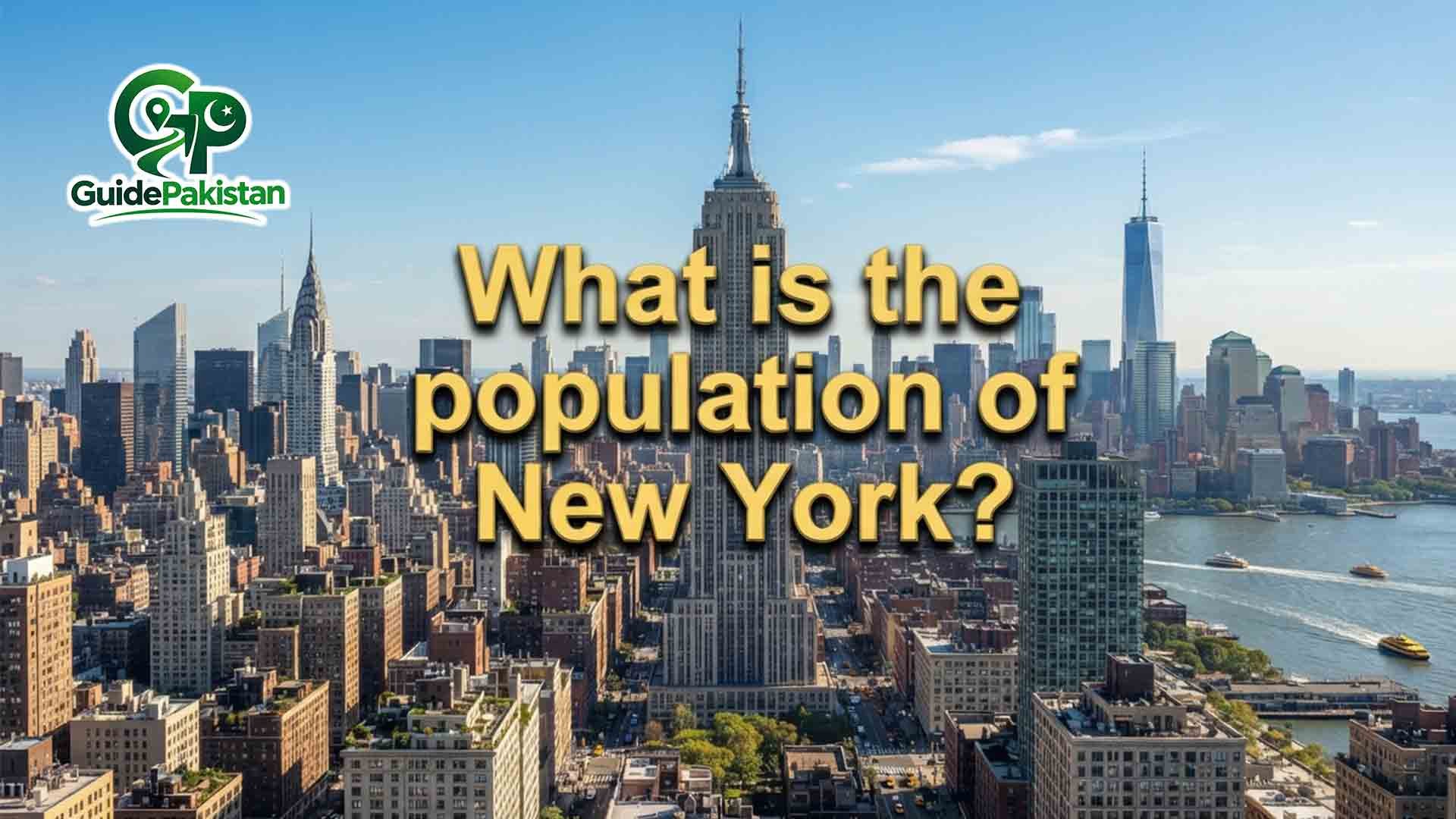
What Is the Population of New York?
New York City is the largest city in the United States by population and one of the world's most internationally recognized urban centers. It is famous for its diverse population, business opportunities, financial institutions, cultural attractions, universities, transportation network and global influence.
According to the latest U.S. Census Bureau 2025 population estimate, New York City had a population of 8,584,629 on July 1, 2025. This is approximately 8.58 million people.
The 2025 estimate represents an increase from the Census Bureau's 2024 estimate of 8,478,072. New York City therefore remained the most populous city in the United States.
It is important to distinguish New York City from New York State. New York City had approximately 8.58 million residents in 2025, while the entire state of New York had approximately 20.0 million residents.
Quick Answer
The latest official population estimate for New York City is 8,584,629 people, or approximately 8.58 million, as of July 1, 2025.
Key Population Facts
-
City: New York City
-
State: New York
-
Country: United States
-
2025 population: 8,584,629
-
Approximate population: 8.58 million
-
2024 population: 8,478,072
-
2020 Census population: 8,804,190
-
2010 Census population: 8,175,133
-
Population density: approximately 28,569 people per square mile in the 2025 estimate
-
Largest U.S. city by population: Yes
1. What Is the Latest Population of New York City?
The latest official U.S. Census Bureau estimate places New York City's population at 8,584,629 as of July 1, 2025.
In simple terms, New York City has a population of approximately 8.6 million people.
The Census Bureau's 2025 estimate also ranks New York City first among the most populous cities in the United States.
2. How Has New York City's Population Changed?
New York City's population has changed considerably over the past several decades.
The official figures include:
-
2010 Census: 8,175,133
-
2020 Census: 8,804,190
-
2024 estimate: 8,478,072
-
2025 estimate: 8,584,629
The 2025 estimate was approximately 106,557 higher than the 2024 estimate.
The city nevertheless remains a very large and densely populated urban center.
3. Is New York the Most Populous City in the United States?
Yes.
According to the U.S. Census Bureau's 2025 estimates, New York City ranked number one among the most populous U.S. cities.
The leading cities included:
-
New York City – 8,584,629
-
Los Angeles – 3,869,089
-
Chicago – 2,731,585
-
Houston – 2,397,315
-
Phoenix – 1,665,481
New York City therefore has a substantially larger population than Los Angeles, the second-largest city in the country.
4. What Is the Population of New York State?
New York City and New York State are not the same geographic area.
The entire state of New York had an estimated population of approximately 20,002,427 in 2025.
This means New York City accounts for a substantial portion of the state's total population.
When someone asks about the "population of New York," it is therefore important to determine whether they mean:
-
New York City
-
New York State
For this guide, the main focus is New York City.
5. How Many People Live in New York City?
Approximately 8.58 million people live in New York City according to the latest 2025 estimate.
The population is spread across five boroughs:
-
Manhattan
-
Brooklyn
-
Queens
-
The Bronx
-
Staten Island
Together, these five boroughs make up New York City.
6. What Are the Five Boroughs of New York City?
New York City consists of five boroughs.
Manhattan
Manhattan is the city's most internationally famous borough and contains major business, financial, cultural and tourism destinations.
Brooklyn
Brooklyn is one of the city's largest boroughs and has a highly diverse population, residential neighborhoods, cultural attractions and waterfront areas.
Queens
Queens is known for its extraordinary ethnic and cultural diversity. It is also home to major transportation infrastructure and New York City's two major airports.
The Bronx
The Bronx is located north of Manhattan and is known for cultural institutions, parks, sports and diverse communities.
Staten Island
Staten Island is the southernmost borough and has a more suburban character than many areas of the other boroughs.
7. Is New York City Densely Populated?
Yes.
New York City is one of the most densely populated large cities in the United States.
The Census Bureau's 2025 estimate gives New York City a population density of approximately 28,569.4 people per square mile.
High population density is particularly noticeable in Manhattan and other heavily developed parts of the city.
8. Why Does New York Have Such a Large Population?
New York's population has been influenced by several factors.
The city is a major center for:
-
Finance
-
Technology
-
Media
-
Entertainment
-
Education
-
Healthcare
-
Tourism
-
International business
-
Government
-
Arts and culture
The city's global economy attracts workers, students, entrepreneurs and immigrants from many parts of the world.
9. Is New York City Multicultural?
Yes.
New York City is one of the world's most culturally diverse cities.
People from many countries and cultural backgrounds live throughout the city.
Different neighborhoods have strong cultural identities, and residents can find restaurants, businesses, religious institutions, community organizations and cultural events representing communities from around the world.
10. How Many Languages Are Spoken in New York?
New York City is exceptionally linguistically diverse.
English is the dominant language, but many other languages are spoken throughout the city's communities.
Spanish, Chinese languages and numerous other languages are widely used by residents.
This linguistic diversity is one of the city's defining characteristics.
11. What Is the Population Density of New York?
According to the U.S. Census Bureau, New York City's 2025 population density was approximately 28,569.4 people per square mile.
The city has a relatively small land area compared with its huge population, which contributes to its high density.
12. What Was New York City's Population in 2020?
The official 2020 Census counted 8,804,190 people in New York City.
The 2025 estimate is lower than the 2020 decennial Census count, although annual estimates and Census counts are produced using different methodologies.
13. What Was New York City's Population in 2010?
The 2010 Census recorded a population of 8,175,133.
Compared with the 2010 figure, New York City had a substantially larger population by the 2020 Census.
14. Is New York City's Population Growing?
The latest estimates show that New York City's population increased from approximately 8.48 million in 2024 to approximately 8.58 million in 2025.
The Census Bureau reported that New York City had the largest numeric population increase among U.S. cities with populations of at least 20,000 between July 2023 and July 2024, increasing by 87,184 people during that period.
15. What Makes New York Different From Other U.S. Cities?
New York stands out because of its combination of population size, density, economic influence and cultural diversity.
Unlike many large American cities, New York has extensive public transportation and many neighborhoods where residents can live without owning a private car.
Its dense urban environment and international character also make it different from many other U.S. metropolitan areas.
16. New York City Population Compared With Los Angeles
New York City is significantly more populous than Los Angeles.
According to the 2025 Census Bureau estimates:
-
New York City: 8,584,629
-
Los Angeles: 3,869,089
New York therefore has more than twice the population of Los Angeles within the official city boundaries.
17. New York City Population Compared With Chicago
Chicago had an estimated population of 2,731,585 in 2025, compared with New York City's 8,584,629.
New York therefore has more than three times Chicago's population within city limits.
18. What Is the Population of Manhattan?
Manhattan is one of New York City's five boroughs.
Its population is much smaller than the population of the entire city, but its importance is much larger because it contains major business, tourism, cultural and financial districts.
Population statistics for individual boroughs can vary depending on the Census dataset and reference year.
19. What Is the Population of Brooklyn?
Brooklyn is one of New York City's largest boroughs.
It is known for its residential neighborhoods, cultural institutions, restaurants, parks, waterfront areas and diverse communities.
Brooklyn forms an important part of New York City's overall population and urban economy.
20. What Is the Population of Queens?
Queens is another major borough and is famous for its exceptional ethnic and linguistic diversity.
It contains many residential communities and is also home to major transportation infrastructure, including John F. Kennedy International Airport and LaGuardia Airport.
21. What Is the Population of the Bronx?
The Bronx is one of the five boroughs of New York City.
It has a diverse population and is known for parks, cultural institutions, sports and historic neighborhoods.
The Bronx contributes significantly to New York City's overall population.
22. What Is the Population of Staten Island?
Staten Island is the least densely developed of the five boroughs.
It has more suburban-style neighborhoods and a lower population density than Manhattan, Brooklyn, Queens and the Bronx.
Despite its smaller population, it remains an integral part of New York City.
23. Is New York City Bigger Than Other American Cities?
Yes, in terms of city population.
New York City's 2025 population of 8.58 million is considerably larger than the populations of other individual U.S. cities.
However, comparisons can change when metropolitan areas rather than city boundaries are used.
24. What Is the New York Metropolitan Area?
The New York metropolitan area extends beyond the official city boundaries.
It includes communities in New York, New Jersey and Connecticut.
As a result, the metropolitan area's population is far larger than New York City's 8.58 million residents.
When discussing population, it is therefore important to specify whether the statistic refers to the city itself or the wider metropolitan region.
25. Why Do So Many People Move to New York?
People move to New York for many reasons, including:
-
Employment opportunities
-
Higher education
-
Business
-
Finance
-
Technology
-
Arts
-
Entertainment
-
Healthcare
-
International connections
-
Cultural diversity
The city offers opportunities across a very wide range of industries.
26. Is New York City Good for International Students?
New York is a major international education center.
The city has numerous universities, colleges and educational institutions.
Students are attracted by the city's academic institutions, career opportunities, cultural environment and international connections.
However, the cost of living can be high, especially housing.
27. Is New York City Good for Immigrants?
New York has historically been one of the major destinations for immigrants to the United States.
Its international communities contribute significantly to the city's cultural, economic and social life.
New residents can find communities connected to many different countries and cultures.
28. Is New York City Expensive?
New York is generally considered an expensive U.S. city, particularly for housing.
The cost varies considerably by borough and neighborhood.
Manhattan's premium neighborhoods can be extremely expensive, while some areas outside Manhattan can offer comparatively lower housing costs.
29. Does Population Affect New York's Housing Market?
Yes.
A very large population combined with limited land and strong demand contributes to high housing demand.
Apartment prices and rents can vary significantly based on:
-
Neighborhood
-
Apartment size
-
Building type
-
Transportation access
-
Amenities
-
Distance from major business districts
30. Does New York's Population Affect Transportation?
Yes.
New York's huge population creates significant demand for public transportation.
The city's subway, buses, commuter rail systems, ferries, taxis and other transportation services move large numbers of people every day.
This extensive transportation system is one reason many residents can live without owning a private vehicle.
31. Why Is New York Important Globally?
New York is a global center for:
-
Finance
-
Business
-
Media
-
Fashion
-
Arts
-
Entertainment
-
Education
-
Technology
-
Tourism
-
International organizations
The city hosts major institutions and attracts people from around the world.
32. Population of New York for Tourists
Tourists may be surprised by how large and dense New York City is.
The population of more than 8.5 million residents creates a city environment that remains active throughout the year.
Popular destinations include:
-
Times Square
-
Central Park
-
Statue of Liberty
-
Empire State Building
-
Brooklyn Bridge
-
Fifth Avenue
-
Wall Street
-
Broadway
-
Rockefeller Center
-
Metropolitan Museum of Art
33. Population and New York's Global Diversity
New York's population includes communities with roots in many regions of the world.
This diversity can be seen in:
-
Food
-
Languages
-
Festivals
-
Religious institutions
-
Neighborhoods
-
Arts
-
Music
-
Businesses
-
Cultural organizations
This international character is one of New York City's strongest attractions.
34. What Is the Future Population of New York City?
Future population figures will depend on births, deaths, migration, housing availability, employment, economic conditions and other demographic factors.
Official population estimates should be used whenever updated Census Bureau figures become available.
For current planning, the latest official figure is the July 1, 2025 estimate of 8,584,629.
35. Final Verdict
The latest official U.S. Census Bureau estimate puts the population of New York City at 8,584,629 people, or approximately 8.58 million, as of July 1, 2025.
New York City remains the most populous city in the United States, with a population more than twice that of Los Angeles and more than three times that of Chicago based on the 2025 city estimates.
The city is made up of five boroughs—Manhattan, Brooklyn, Queens, the Bronx and Staten Island—and is recognized worldwide for its dense urban environment, multicultural population, economic power and international influence.
It is also important not to confuse New York City with New York State. The city had approximately 8.58 million residents in 2025, while the entire state had approximately 20.0 million.
Guide Information
Eligibility
Not Applicable. This is an informational guide about the population and demographics of New York City.
Required Documents
Not Applicable.
Fees
Not Applicable.
Processing Time
Not Applicable.WHEN TO APPLY:Not Applicable.
Application Method
Not Applicable.FINANCIAL REQUIREMENTS:Not Applicab
Validity Period
Not Applicable. Population figures are updated periodically by the U.S. Census Bureau.
Step-by-Step Process
- Identify whether you mean New York City or New York State.
- Confirm the reference year of the population figure.
- Use the latest U.S. Census Bureau estimate.
- Check the official city population.
- Compare the latest estimate with the previous year.
- Review the 2020 Census figure.
- Review the 2010 Census figure.
- Understand the difference between Census counts and population estimates.
- Check New York City's population ranking.
- Compare New York with Los Angeles.
- Compare New York with Chicago.
- Review New York City's population density.
- Understand the five boroughs.
- Learn about Manhattan.
- Learn about Brooklyn.
- Learn about Queens.
- Learn about the Bronx.
- Learn about Staten Island.
- Understand the difference between city and metropolitan population.
- Review New York State's population.
- Examine New York's cultural diversity.
- Understand the importance of immigration.
- Review major employment sectors.
- Understand why people move to New York.
- Consider housing demand.
- Consider transportation demand.
- Review major tourist destinations.
- Research neighborhoods before visiting or moving.
- Check updated Census data when available.
- Use official population estimates for planning.
- Avoid confusing New York City with New York State.
- Avoid confusing the city with the metropolitan area.
- Compare population figures using the same reference year.
- Check the source of any population statistic.
- Use the latest official figure when publishing updated information.
- Update the population figure when a new Census estimate is released.
- Cite the U.S. Census Bureau for official population data.
- Review demographic information when studying the city's population.
- Consider population density when planning accommodation.
- Consider borough differences when comparing neighborhoods.
- Use city-level statistics for city population questions.
- Use state-level statistics for New York State questions.
- Use metropolitan statistics only when discussing the wider region.
- Recheck population data before publishing future updates.
- Present the population clearly in both exact and approximate figures.
Official Information
Official Website: https://www.census.gov/
Contact: For official population statistics, demographic data and Census information, consult the U.S. Census Bureau.
Frequently Asked Questions
The latest U.S. Census Bureau estimate puts New York City's population at 8,584,629 as of July 1, 2025.
The latest official published city estimate is 8,584,629 for July 1, 2025. A newer official 2026 city estimate should be used once released.
Yes. New York City is the most populous U.S. city according to the 2025 Census Bureau estimates.
The 2020 Census counted 8,804,190 residents in New York City.
The 2010 Census counted 8,175,133 residents.
The Census Bureau estimated the city's 2024 population at 8,478,072.
Yes. The estimate increased from 8,478,072 in 2024 to 8,584,629 in 2025.
New York State had an estimated population of 20,002,427 in 2025.
No. New York City is a city within New York State.
New York City has five boroughs: Manhattan, Brooklyn, Queens, the Bronx and Staten Island.
Manhattan is one of New York City's five boroughs and is a major financial, cultural and tourism center.
Yes. Brooklyn is one of the five boroughs of New York City.
Yes. Queens is one of New York City's five boroughs.
Yes. The Bronx is one of New York City's five boroughs.
Yes. Staten Island is one of the city's five boroughs.
The 2025 estimate gives New York City a population density of approximately 28,569.4 people per square mile.
Yes. It is one of the most densely populated major cities in the United States.
Yes. New York City had 8,584,629 residents compared with 3,869,089 in Los Angeles in the 2025 estimates.
Yes. New York City's 2025 population was 8,584,629 compared with 2,731,585 for Chicago.
Its large population is linked to employment, immigration, education, business, tourism, culture and its global economic importance.
Yes. New York is one of the world's most culturally and linguistically diverse cities.
English is dominant, but Spanish, Chinese languages and many other languages are widely spoken.
Yes, particularly for housing, although costs vary significantly by neighborhood and borough.
People move to New York for jobs, education, business, culture, healthcare, entertainment and international opportunities.
Yes. The city has many universities and educational institutions, although living costs can be high.
New York has long been an important destination for immigrants and has communities from many parts of the world.
It is the much larger urban region surrounding New York City and includes communities in New York, New Jersey and Connecticut.
No. The metropolitan area includes many communities outside the official city boundaries.
New York is famous for finance, skyscrapers, Broadway, museums, tourism, diverse communities, media, fashion and international business.
New York City had 8,175,133 residents in the 2010 Census.
New York City had 8,804,190 residents in the 2020 Census.
The U.S. Census Bureau is the primary official source for U.S. city population estimates.
The latest estimate shows an increase from 2024 to 2025.
Approximately 8.58 million people live in New York City according to the latest 2025 estimate.
Yes. New York City ranked first among U.S. cities in the Census Bureau's 2025 population estimates.
Yes. International migration and immigrant communities have played an important role in the city's history and diversity.
Its combination of size, density, international diversity and concentration of global economic and cultural activity makes it unique.