Chitral Travel Guide 2026 – Kalash Valley, Best Places & Travel Cost
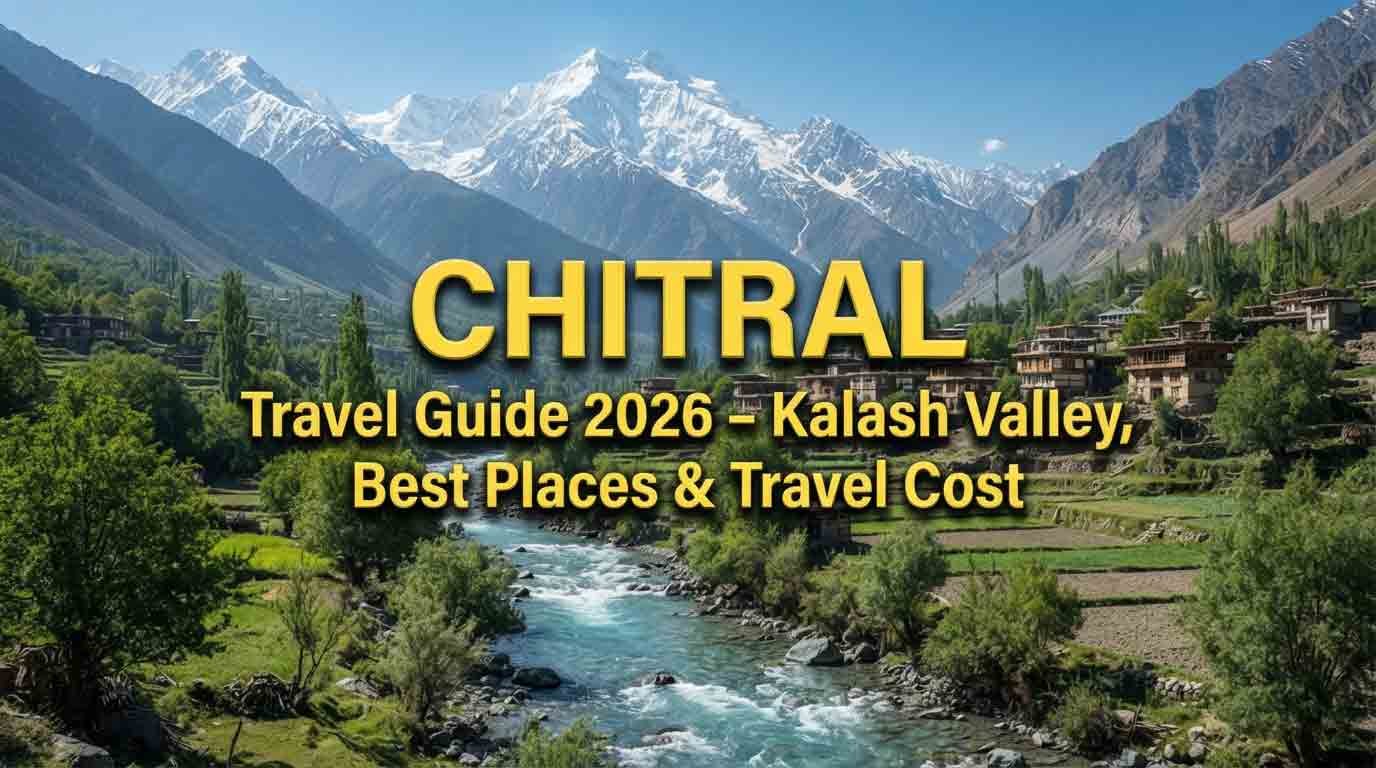
Chitral Travel Guide 2026 – Kalash Valley, Best Places & Travel Cost
Chitral is one of the most fascinating mountain destinations in Pakistan, offering a unique combination of dramatic Hindu Kush landscapes, traditional villages, historic sites, rivers, valleys, forests, cultural heritage and adventure tourism.
Located in northern Khyber Pakhtunkhwa, Chitral is divided into Lower Chitral and Upper Chitral districts. The region is known for its spectacular mountain scenery and diverse cultural heritage.
One of the biggest attractions is the Kalash Cultural Landscape, consisting of the three famous Kalash valleys of Bumburet, Rumbur and Birir. In 2026, the Kalash valleys received additional international attention after the Kalasha Cultural Landscape was added to UNESCO's World Heritage Tentative List. The valleys are home to the Kalasha people, an indigenous community known for its distinctive traditions, festivals, clothing, architecture and cultural practices.
Chitral is also famous for Shandur Pass and its traditional polo festival. In 2026, the Shandur Polo Festival was scheduled for June 11–13, highlighting the continuing importance of Chitral as a major cultural and adventure-tourism destination.
Whether you are interested in mountain photography, cultural tourism, trekking, festivals, rivers, historic sites or peaceful valleys, Chitral offers a very different experience from more commercial destinations such as Murree or Nathiagali.
Chitral at a Glance
| Feature | Details |
|---|---|
| Location | Northern Khyber Pakhtunkhwa, Pakistan |
| Region | Hindu Kush |
| Main City | Chitral |
| Famous Cultural Area | Kalash Valleys |
| Main Kalash Valleys | Bumburet, Rumbur and Birir |
| Famous Mountain Destination | Shandur Pass |
| Famous Hot Spring Area | Garam Chashma |
| Major Cultural Attraction | Kalash culture and festivals |
| Main Activities | Sightseeing, trekking, photography, cultural tourism and adventure travel |
| Recommended Stay | 4–7 days |
| Best General Season | Spring to autumn, depending on destination and weather |
| Main Travel Consideration | Mountain roads and changing weather |
| 2026 Cost | Depends on departure city, transport, hotel and trip duration |
Why Visit Chitral in 2026?
Chitral is ideal for travelers looking for a combination of natural beauty and cultural experiences.
The region offers:
-
Dramatic Hindu Kush mountains
-
Green valleys
-
Rivers and streams
-
Traditional villages
-
Kalash cultural heritage
-
Historic forts
-
Mountain photography
-
Trekking
-
Polo
-
Festivals
-
Hot springs
-
Local food
-
Peaceful landscapes
-
Adventure travel
The Kalash valleys are particularly important because they represent a living cultural landscape rather than simply a historical attraction. Government information in 2026 described the three valleys as home to the Kalasha community and highlighted their traditional lifestyle, festivals and cultural heritage.
Kalash Valley – The Cultural Heart of Chitral
The term Kalash Valley generally refers to three valleys inhabited by the Kalasha community:
-
Bumburet
-
Rumbur
-
Birir
These valleys are among the most culturally distinctive destinations in Pakistan.
Visitors can experience traditional architecture, local clothing, music, festivals, agricultural landscapes and mountain villages.
Tourists should remember that the Kalash valleys are living communities. Photography and tourism should therefore be approached respectfully.
Always ask permission before photographing people, religious ceremonies, private homes or culturally sensitive activities.
Bumburet Valley
Bumburet, also spelled Bumburet or Bamburet, is generally considered the largest and most visited of the three Kalash valleys.
It offers a combination of:
-
Mountain scenery
-
Kalash settlements
-
Traditional houses
-
Cultural sites
-
Museums
-
Guesthouses
-
Local markets
-
Walking opportunities
Bumburet is often the easiest starting point for first-time visitors who want to learn about Kalash culture.
The valley can become particularly busy during major festivals.
Rumbur Valley
Rumbur is another important Kalash valley and is often associated with a quieter and more intimate atmosphere.
The valley provides opportunities to experience:
-
Mountain villages
-
Traditional Kalash architecture
-
Forested slopes
-
Agricultural landscapes
-
Local cultural life
-
Photography
Travelers who want a more peaceful experience may prefer spending additional time in Rumbur.
Birir Valley
Birir is the third major Kalash valley.
It is generally less visited than Bumburet and can be attractive to travelers who want to explore beyond the most popular tourist route.
Birir provides:
-
Scenic mountain surroundings
-
Traditional villages
-
Kalash cultural experiences
-
Rural landscapes
-
Photography opportunities
-
Peaceful walks
Visitors should allow sufficient time for transportation because mountain roads can make short-looking distances take longer than expected.
Kalash Festivals
Kalash festivals are among the most famous cultural experiences in Chitral.
Major festivals include:
-
Chilam Joshi
-
Uchau
-
Choimus
These celebrations are connected with the cultural and seasonal traditions of the Kalasha community.
Festival dates and local arrangements should always be confirmed before travel.
Tourists should avoid treating cultural ceremonies simply as entertainment and should follow local guidance about photography, access and participation.
The Kalash festivals attract domestic and international visitors and are an important part of the region's cultural tourism.
Best Places to Visit in Chitral
Chitral offers attractions across both Lower and Upper Chitral.
Important places to consider include:
-
Kalash Valley
-
Bumburet Valley
-
Rumbur Valley
-
Birir Valley
-
Chitral Fort
-
Shahi Masjid
-
Chitral Museum
-
Garam Chashma
-
Shandur Pass
-
Mastuj
-
Booni
-
Upper Chitral valleys
-
Chitral River
-
Chitral Gol area
-
Local bazaars and villages
Availability and road access to individual destinations can vary according to weather and seasonal conditions.
Chitral Fort
Chitral Fort is one of the city's best-known historic landmarks.
The fort reflects the region's historic political and cultural importance.
A visit to Chitral is incomplete for many travelers without exploring the city's historic architecture and surrounding area.
Visitors should check local access arrangements before planning a detailed visit.
Shahi Masjid Chitral
Shahi Masjid is a prominent landmark in Chitral.
Its traditional architecture and location near the Chitral River make it an attractive stop for visitors interested in history, architecture and photography.
Visitors should dress respectfully and follow local rules when visiting religious sites.
Chitral Museum
Chitral Museum provides an opportunity to learn more about the cultural and historical heritage of the region.
Museum collections and visiting arrangements can change, so travelers should confirm opening times before visiting.
Garam Chashma
Garam Chashma is one of Chitral's well-known natural attractions.
The name means "hot spring" and the destination is known for its natural thermal waters and mountain surroundings.
The journey itself can be part of the experience because the route passes through dramatic mountain scenery.
Travelers should confirm road conditions and local facilities before departure.
Shandur Pass
Shandur Pass is one of the most famous destinations associated with Chitral.
It sits at roughly 3,700 metres above sea level and is famous for the Shandur Polo Festival.
The festival traditionally brings together polo teams from Chitral and Gilgit-Baltistan.
The 2026 Shandur Polo Festival was officially scheduled for June 11–13, 2026.
Shandur is also a high-altitude environment, so travelers should be prepared for cold temperatures and rapidly changing weather.
Chitral Gol
Chitral Gol and its surrounding mountain landscape offer opportunities for nature lovers and photographers.
Visitors should follow current access rules and avoid disturbing wildlife or entering restricted areas.
Upper Chitral
Upper Chitral offers a different experience from the more commonly visited Lower Chitral and Kalash areas.
Important destinations include:
-
Booni
-
Mastuj
-
Upper Chitral valleys
-
Mountain villages
-
High-altitude landscapes
-
Routes toward Shandur
Travelers planning an Upper Chitral trip should allow additional days because distances are significant and road conditions can affect travel time.
How to Reach Chitral
Chitral can generally be reached by road or air, depending on current transport availability.
The most common road approach for travelers from Islamabad and Peshawar is through the Malakand/Dir side.
Another important route connects Chitral with Swat and Dir through the Lowari Tunnel corridor.
Travelers should check current road conditions before departure.
In 2026, authorities were continuing work related to the Chakdara–Dir–Chitral route and other Chitral road projects, highlighting the importance of ongoing infrastructure improvements for regional connectivity.
Road Travel from Islamabad to Chitral
Traveling from Islamabad to Chitral by road is a long mountain journey.
A typical route can involve:
Islamabad → Mardan/Swabi area → Malakand → Dir → Lowari Tunnel → Chitral
The actual travel time depends on:
-
Traffic
-
Road conditions
-
Weather
-
Stops
-
Vehicle type
-
Mountain conditions
Travelers should avoid planning the itinerary too tightly.
Road Travel from Peshawar to Chitral
Peshawar is another common starting point.
The journey generally passes through the Malakand and Dir region before reaching Chitral.
Travel time varies according to road and weather conditions.
Public transport and private vehicles can both be used, depending on budget and comfort requirements.
Travel to Kalash Valley from Chitral
After reaching Chitral, travelers heading toward Kalash generally continue toward Ayun and then take the valley road toward the selected Kalash valley.
Bumburet, Rumbur and Birir require separate travel arrangements depending on the itinerary.
The Chitral–Ayun–Bumburet road is among the infrastructure routes being developed/upgraded in the region.
Travelers should confirm current road conditions before starting the journey.
Chitral Travel Cost 2026
The total cost depends on:
-
Departure city
-
Number of travelers
-
Public or private transport
-
Number of nights
-
Hotel category
-
Kalash Valley transportation
-
Food
-
Guide charges
-
Local sightseeing
-
Festival season
-
Additional destinations such as Shandur or Garam Chashma
For this reason, travelers should treat all prices as planning estimates rather than fixed official rates.
Estimated Chitral Trip Cost for Two People
A basic 4–5 day trip for two people traveling from Islamabad or Rawalpindi may require approximately:
| Expense | Estimated Planning Budget |
|---|---|
| Intercity transportation | PKR 20,000–40,000+ |
| Local transport | PKR 10,000–25,000+ |
| Accommodation | PKR 12,000–30,000+ |
| Food | PKR 8,000–15,000+ |
| Kalash Valley sightseeing | PKR 3,000–10,000+ |
| Miscellaneous | PKR 5,000–10,000+ |
A practical overall planning budget can therefore be approximately PKR 60,000–130,000+ for two people, depending heavily on transport, hotel selection and itinerary.
Private vehicle trips can cost considerably more but may provide greater flexibility.
Estimated Family Trip Cost
A family of four traveling from Islamabad or Rawalpindi may need approximately:
PKR 100,000–200,000+
for a short 4–5 day trip.
The actual amount can increase if the family chooses:
-
Private transport
-
Better hotels
-
Multiple rooms
-
Private guides
-
Shandur excursions
-
Longer stays
-
Festival-season travel
Families should maintain an emergency budget because mountain travel can involve unexpected delays.
Budget Chitral Trip
Budget travelers can reduce costs by:
-
Using shared transportation
-
Choosing local guesthouses
-
Traveling outside major festival periods
-
Sharing local vehicles
-
Eating at affordable local restaurants
-
Staying longer in fewer locations
-
Avoiding unnecessary private tours
-
Traveling with friends
-
Booking transport in advance
However, travelers should not sacrifice safety to reduce costs.
Hotel and Accommodation in Chitral
Chitral city has a wider range of accommodation than remote mountain valleys.
Travelers can generally find:
-
Budget hotels
-
Guesthouses
-
Mid-range hotels
-
Family rooms
-
Local lodges
-
Tourist guesthouses
Kalash valleys generally have simpler accommodation.
Bumburet usually provides the broadest range of tourist facilities among the three valleys.
Estimated Hotel Cost 2026
Planning estimates may fall approximately within:
-
Budget room: PKR 3,000–6,000 per night
-
Mid-range room: PKR 6,000–12,000 per night
-
Better hotel/family room: PKR 10,000–20,000+ per night
-
Premium accommodation: PKR 20,000+ depending on property and season
Festival periods can increase accommodation demand and prices.
Always confirm the latest rate directly with the property before booking.
Food Cost in Chitral
Food costs depend on the type of restaurant and location.
Common foods may include:
-
Chapati
-
Rice
-
Dal
-
Chicken
-
Beef
-
Vegetables
-
Eggs
-
Tea
-
Paratha
-
Local bread
-
Noodles
-
Snacks
A reasonable planning budget can be:
-
Budget traveler: PKR 800–1,200 per person per day
-
Moderate traveler: PKR 1,200–2,000 per person per day
-
Higher-comfort traveler: PKR 2,000–3,500+ per person per day
Remote valleys may have fewer food choices and higher prices.
Best Time to Visit Chitral
The best travel period depends on the places you want to visit.
Spring
Spring can be attractive for:
-
Green landscapes
-
Flowers
-
Pleasant weather
-
Kalash cultural events
Summer
Summer is generally suitable for:
-
Kalash Valley
-
Chitral city
-
Upper Chitral
-
Shandur
-
Trekking
-
Mountain sightseeing
However, weather conditions can change rapidly.
Autumn
Autumn can offer:
-
Cooler temperatures
-
Changing mountain colors
-
Photography opportunities
-
Fewer crowds in some areas
Winter
Winter can be challenging.
Snow and cold temperatures can affect road access to high-altitude destinations.
Travelers should check current conditions before planning winter travel.
Best Months for Chitral
For a broad Chitral and Kalash itinerary, May to October can be a practical planning period.
For Shandur, the summer festival season is especially important.
For Kalash festivals, travelers should plan according to the officially confirmed festival dates rather than relying on a general month-by-month assumption.
How Many Days Are Enough for Chitral?
3 Days
Suitable for Chitral city and one nearby valley.
4–5 Days
A good option for Chitral plus Kalash Valley.
6–7 Days
Better for Chitral, multiple Kalash valleys and additional destinations.
8–10 Days
Recommended for travelers who want to combine:
-
Chitral
-
Kalash Valleys
-
Upper Chitral
-
Garam Chashma
-
Shandur
-
Additional mountain areas
Suggested 4-Day Chitral and Kalash Itinerary
Day 1
Travel toward Chitral.
Check into your hotel.
Explore Chitral city.
Visit local markets and major landmarks.
Overnight in Chitral.
Day 2
Travel toward Ayun and Kalash Valley.
Visit Bumburet.
Explore the valley.
Visit cultural attractions.
Stay overnight in Bumburet.
Day 3
Explore Bumburet or travel to Rumbur.
Enjoy local scenery and cultural experiences.
Return to Chitral or stay in the valley depending on the itinerary.
Day 4
Explore Chitral city or nearby attractions.
Begin the return journey.
Suggested 5-Day Chitral and Kalash Itinerary
Day 1
Islamabad/Peshawar to Chitral.
Overnight in Chitral.
Day 2
Chitral city sightseeing.
Visit historic and cultural landmarks.
Overnight in Chitral.
Day 3
Travel to Bumburet.
Explore Kalash culture and surrounding scenery.
Overnight in Kalash Valley.
Day 4
Explore Rumbur or Birir depending on road and time.
Return toward Chitral.
Overnight in Chitral.
Day 5
Begin return journey.
Suggested 7-Day Chitral Adventure Itinerary
Day 1
Travel to Chitral.
Day 2
Explore Chitral city.
Day 3
Visit Bumburet.
Day 4
Visit Rumbur and/or Birir.
Day 5
Explore Garam Chashma or another nearby destination.
Day 6
Explore Upper Chitral or plan a Shandur excursion if conditions permit.
Day 7
Return toward your departure city.
Things to Do in Chitral
Travelers can enjoy:
-
Kalash Valley sightseeing
-
Cultural photography
-
Mountain walks
-
River views
-
Historic architecture
-
Local food
-
Festival experiences
-
Trekking
-
Polo
-
Hot springs
-
Village exploration
-
Wildlife and nature observation
-
Mountain photography
Chitral for Families
Chitral can be suitable for families who are comfortable with long mountain journeys.
Families should consider:
-
Travel duration
-
Children's tolerance for long drives
-
Hotel facilities
-
Weather
-
Road conditions
-
Food availability
-
Medical access
-
Valley walking requirements
Kalash Valley can be enjoyable for families, but remote areas may not provide the same facilities as major tourist cities.
Chitral for Couples
Chitral can be an excellent destination for couples interested in:
-
Mountain scenery
-
Photography
-
Cultural tourism
-
Peaceful valleys
-
Road trips
-
Nature walks
-
Local food
A 4–6 day itinerary provides enough time to explore the main attractions without rushing.
Chitral for Adventure Travelers
Adventure travelers can combine Chitral with:
-
Shandur
-
Upper Chitral
-
Trekking routes
-
Mountain villages
-
High-altitude passes
-
Polo events
-
Remote valleys
Longer expeditions should be planned with experienced local guides and reliable transport.
What to Pack for Chitral
Recommended items include:
-
Comfortable walking shoes
-
Warm jacket
-
Light thermal clothing
-
Rain jacket
-
Extra socks
-
Sunglasses
-
Sunscreen
-
Cap
-
Water bottle
-
Power bank
-
Flashlight
-
Basic first-aid kit
-
Personal medicines
-
Camera
-
Small backpack
-
Cash
-
Identification documents
For Shandur or other high-altitude areas, additional warm clothing is essential.
Mobile Network and Internet
Mobile connectivity can vary considerably between Chitral city and remote valleys.
Do not depend entirely on mobile internet during mountain travel.
Download maps and important travel information before entering remote areas.
Inform family members about your planned itinerary.
ATM and Cash
Travelers should carry sufficient cash.
Do not assume that ATMs or card payment facilities will be available in remote valleys.
Keep emergency cash for:
-
Hotels
-
Food
-
Transport
-
Guides
-
Local activities
-
Emergency expenses
Safety Tips for Chitral
Mountain travel requires flexibility.
Travelers should:
-
Check weather conditions.
-
Confirm road conditions.
-
Avoid unnecessary night driving.
-
Use experienced local drivers.
-
Keep emergency contacts available.
-
Carry sufficient water.
-
Carry warm clothing.
-
Avoid isolated trekking without preparation.
-
Keep family members informed.
-
Allow extra travel time.
The provincial government has also emphasized safer tourist travel and improved tourist facilities in 2026, including tourism facilitation centers and tourism police initiatives.
Road and Weather Safety
Mountain roads can be affected by:
-
Heavy rain
-
Landslides
-
Rockfall
-
Flooding
-
Snow
-
Temporary road closures
-
Bridge damage
In 2026, government officials specifically discussed the need for road maintenance and heavy machinery availability in areas affected by flash floods while preparing for tourism activities in Chitral and Shandur.
Always check the latest road situation before departure.
Responsible Tourism in Kalash Valley
The Kalash valleys are living cultural communities.
Visitors should:
-
Respect local traditions.
-
Ask before photographing people.
-
Avoid entering private homes without permission.
-
Follow local instructions during festivals.
-
Avoid disturbing ceremonies.
-
Dress respectfully.
-
Do not litter.
-
Avoid damaging historic or cultural structures.
-
Support local businesses.
-
Avoid excessive noise.
-
Respect religious and cultural spaces.
Responsible tourism helps protect the cultural identity and environment of the valleys.
Chitral vs Hunza
Hunza generally offers more developed tourist infrastructure and a larger variety of established tourist services.
Chitral offers a stronger combination of:
-
Kalash culture
-
Hindu Kush landscapes
-
Historic heritage
-
Shandur
-
Traditional villages
-
Less-commercial mountain experiences
Travelers looking for cultural diversity and remote mountain experiences may find Chitral especially rewarding.
Chitral vs Swat
Swat is generally easier to access from major cities and has many developed tourist areas.
Chitral is farther away and requires a longer journey.
Chitral is especially attractive for travelers interested in:
-
Kalash culture
-
Hindu Kush mountains
-
Shandur
-
Upper Chitral
-
Remote valleys
-
Cultural tourism
Chitral vs Murree
Murree is a developed hill station with abundant hotels, restaurants and commercial facilities.
Chitral offers a much more remote mountain experience.
Murree is generally easier for a short family vacation.
Chitral is better suited to travelers who want culture, adventure, long road trips and dramatic mountain scenery.
Travel Tips for First-Time Visitors
-
Plan your route before leaving.
-
Check weather forecasts.
-
Confirm road conditions.
-
Book accommodation during festivals.
-
Carry cash.
-
Keep emergency money separately.
-
Carry warm clothing.
-
Use comfortable shoes.
-
Avoid overpacking.
-
Carry a power bank.
-
Download offline maps.
-
Respect Kalash cultural traditions.
-
Ask before taking photographs of people.
-
Avoid unnecessary night driving.
-
Keep extra time in the itinerary.
-
Use reliable local transport.
-
Confirm hotel rates before arrival.
-
Confirm local guide charges in advance.
-
Keep drinking water available.
-
Avoid littering.
-
Follow local instructions.
-
Keep important documents secure.
-
Carry basic medicines.
-
Do not depend completely on mobile internet.
-
Check high-altitude weather before visiting Shandur.
-
Avoid rushing between destinations.
-
Keep family members informed about your route.
-
Respect local communities.
-
Support local businesses.
-
Prioritize safety over saving money.
Final Thoughts
Chitral is one of Pakistan's most distinctive mountain destinations.
Its appeal comes from much more than scenery. The region combines the Hindu Kush mountains, traditional villages, historic landmarks, the Kalash cultural landscape, Shandur Pass, hot springs, rivers and opportunities for adventure.
The three Kalash valleys of Bumburet, Rumbur and Birir are particularly important for travelers interested in culture and heritage. Their international significance received additional attention in 2026 following the inclusion of the Kalasha Cultural Landscape on UNESCO's World Heritage Tentative List.
For a first visit, four to five days can provide a good introduction to Chitral and Kalash Valley. Travelers with more time should consider extending the trip to Upper Chitral, Garam Chashma or Shandur.
The most important rule is to travel with flexibility. Mountain weather and road conditions can change quickly, so always allow extra time and confirm local conditions before starting long journeys.
With proper planning, Chitral can provide one of the most memorable cultural and mountain travel experiences in Pakistan.
Guide Information
Eligibility
There is no general tourist eligibility requirement for domestic travelers visiting Chitral or the Kalash Valleys.
International visitors must meet Pakistan's applicable entry and visa requirements before traveling to the region.
Visitors should also comply with local rules, security instructions, protected-area regulations and cultural requirements.
Travelers planning trekking or high-altitude excursions should have appropriate physical fitness and preparation.
Required Documents
For domestic travelers:
1. Original CNIC or valid identification.
2. Driving license if driving.
3. Vehicle documents if using a private vehicle.
4. Hotel booking details where applicable.
5. Emergency contact information.
6. Travel itinerary.
7. Cash and payment arrangements.
For international travelers:
1. Valid passport.
2. Appropriate Pakistani visa or entry authorization where required.
3. Hotel booking information.
4. Travel insurance where available.
5. Emergency contact information.
6. Copies of important travel documents.
Travelers should keep digital and physical copies of important documents.
Fees
There is no single fixed Chitral tourist entry fee covering the entire region.Travel expenses may include:* Transportation* Hotel accommodation* Food* Local vehicle charges* Guide charges* Museum or attraction tickets where applicable* Festival-related expenses* Trekking expenses* Parking or local charges where applicable2026 prices should be confirmed locally because transport, accommodation and seasonal charges can change.For planning purposes, a two-person 4–5 day Chitral and Kalash trip from Islamabad/Rawalpindi may require approximately PKR 60,000–130,000+, depending on travel style.
Processing Time
Not applicable for ordinary domestic tourism.International visitors must complete applicable visa or entry procedures before traveling to Pakistan.Travelers should also allow additional time for hotel booking, transport reservations and itinerary planning during festivals and peak tourist periods.WHEN TO APPLY:For domestic travel, begin planning at least 2–4 weeks before the trip.During major Kalash festivals, Shandur events and peak summer travel, earlier planning is recommended.International travelers should complete applicable visa procedures before booking non-refundable travel arrangements.
Application Method
Chitral tourism is normally arranged through direc
Validity Period
Not applicable to a normal tourist visit.The length of the trip depends on the traveler's itinerary.
Step-by-Step Process
- Decide how many days you can spend in Chitral.
- Select the places you want to visit.
- Decide whether Kalash Valley is your main destination.
- Choose Bumburet, Rumbur, Birir or multiple valleys.
- Decide whether you want to visit Upper Chitral.
- Decide whether Garam Chashma should be included.
- Decide whether Shandur should be included.
- Select your departure city.
- Estimate your transportation budget.
- Check the latest road conditions.
- Check the weather forecast.
- Select your travel dates.
- Check whether your dates overlap with a major festival.
- Book accommodation in advance for peak periods.
- Confirm hotel rates directly.
- Arrange transport to Chitral.
- Keep identification documents with you.
- Carry sufficient cash.
- Carry an emergency reserve.
- Download offline maps.
- Save hotel contact information.
- Save important emergency contacts.
- Pack warm clothing.
- Pack comfortable walking shoes.
- Carry rain protection.
- Carry personal medicines.
- Carry a power bank.
- Travel toward Chitral.
- Check into your accommodation.
- Explore Chitral city.
- Visit selected historic landmarks.
- Travel toward Ayun and Kalash Valley.
- Begin your Kalash Valley sightseeing.
- Ask permission before photographing local residents.
- Respect cultural and religious practices.
- Explore Bumburet.
- Explore Rumbur if time allows.
- Explore Birir if road and schedule allow.
- Visit cultural attractions respectfully.
- Arrange local transport for additional destinations.
- Check road conditions before traveling to Upper Chitral.
- Check weather before visiting high-altitude destinations.
- Visit Shandur only when access and conditions are suitable.
- Keep additional food and water for remote journeys.
- Maintain communication with family members.
- Avoid unnecessary night driving.
- Keep your accommodation and transport arrangements confirmed.
- Follow local government and tourism instructions.
- Keep the environment clean.
- Return to Chitral according to your planned schedule.
- Begin the return journey with sufficient time.
- Keep extra time for mountain road delays.
- Review your expenses before the final departure.
- Take your waste with you where appropriate.
- Leave cultural and natural sites in their original condition.
Official Information
Official Website: https://kvda.kp.gov.pk/
Contact: For tourism-related information, travelers should consult the relevant Khyber Pakhtunkhwa tourism authorities and local administration before traveling.Official tourism-related resources include the Khyber Pakhtunkhwa tourism authorities and the Kalash Valleys Development Authority.The Kalash Valleys Development Authority maintains information related to the Kalash valleys and their tourist attractions.For emergencies, travelers should use the relevant local emergency and government services.
Frequently Asked Questions
Chitral is located in northern Khyber Pakhtunkhwa, Pakistan, in the Hindu Kush mountain region.
Chitral is famous for the Kalash valleys, Hindu Kush mountains, Shandur Pass, polo, historic sites, rivers, mountain villages and cultural heritage.
The three main Kalash valleys are Bumburet, Rumbur and Birir.
Bumburet is generally a practical choice for first-time visitors because it has relatively more tourist facilities and cultural attractions.
Yes. Rumbur can provide a quieter cultural and mountain experience.
Yes. Birir is suitable for travelers who want to explore beyond the most popular Kalash route.
May to October can be a practical general travel period, although exact conditions vary by destination and weather.
Major Kalash festivals include Chilam Joshi, Uchau and Choimus. Exact dates should be confirmed before travel.
Chilam Joshi is one of the major traditional festivals of the Kalasha community.
Shandur is famous for its high-altitude polo ground and the Shandur Polo Festival.
Access can be affected by snow, weather and road conditions, so travelers should confirm current accessibility before traveling.
Four to five days are suitable for a basic Chitral and Kalash itinerary. Longer trips are better for Upper Chitral and Shandur.
A basic two-person 4–5 day trip from Islamabad or Rawalpindi may require around PKR 60,000–130,000+, depending on transport and accommodation.
Chitral can be affordable for budget travelers, but private transport and remote destinations can increase costs significantly.
Basic accommodation and local food can be manageable, but transport and festival-season accommodation can increase the total cost.
Yes. Chitral city offers hotels and guesthouses across different price categories.
Yes. Guesthouses and simple accommodation are available, particularly in Bumburet, although facilities are more basic than in major cities.
Yes. Families can visit, but they should prepare for mountain roads, walking and limited facilities in remote areas.
Yes. Chitral is suitable for couples interested in mountain scenery, cultural tourism and peaceful travel.
Yes. Budget travelers can reduce costs through shared transport, basic hotels and local food.
Many travelers use private vehicles, but mountain roads require careful driving and current road conditions should always be checked.
Public and shared transport options are available, although schedules and availability can change.
Air access has historically been available, but flight schedules and operational status can change. Travelers should confirm current availability before planning around flights.
Connectivity is generally better in populated areas but can become limited in remote valleys.
Yes. Cash is strongly recommended for remote areas because card and ATM facilities may be limited.
Pack comfortable shoes, warm clothing, rain protection, medicines, sunscreen, sunglasses, a power bank, water bottle, cash and identification.
Travelers should follow current government and local security advice, use reliable transport and avoid unnecessary travel during poor weather or road closures.
Winter travel is possible in some areas, but snow, cold weather and road conditions can significantly affect access.
Yes. Shandur is a high-altitude location and can remain cold even during summer.
Yes. Chitral and Upper Chitral offer various trekking and mountain-walking opportunities.
A guide is not necessarily required for every basic visit, but a knowledgeable local guide can improve cultural understanding and help with local arrangements.
Tourists should always ask permission before photographing individuals, especially during culturally sensitive activities.
Visitors can travel to experience major festivals, but they should follow local cultural rules and avoid disrupting ceremonies.
Garam Chashma is a famous Chitral destination associated with natural hot springs and mountain scenery.
Depending on road conditions and your starting point, it may be possible, but travelers should allow enough time for the mountain journey.
Neither is universally better. Bumburet may be more convenient for first-time visitors, while Rumbur can appeal to travelers seeking a quieter experience.
Birir is generally less prominent on standard tourist itineraries, which can make it attractive to travelers seeking a quieter valley experience.
It may be possible in a rushed itinerary under suitable road conditions, but spending more time provides a better experience.
For first-time visitors, four to five days covering Chitral city and one or more Kalash valleys is a practical starting point.
Both are excellent but offer different experiences. Hunza generally provides more developed tourist infrastructure, while Chitral offers distinctive Kalash culture, Hindu Kush landscapes and Shandur.
Chitral is better for travelers seeking remote mountain scenery, cultural tourism and adventure. Murree is more convenient for short, developed hill-station vacations.
Yes, but families should prepare for long road journeys, mountain weather and limited facilities in remote valleys.
Yes. Mountains, valleys, rivers, traditional architecture, festivals and cultural landscapes provide many photography opportunities.
Respect local customs, ask permission before photography, avoid disturbing ceremonies, do not litter and support local businesses.
Booking in advance is strongly recommended during festivals, summer holidays and other peak periods.
Yes. Demand for transport and accommodation can increase during major festivals.
Follow local authority instructions, avoid risky travel and allow extra time for the route to reopen.
Avoid unnecessary night driving on unfamiliar mountain roads, especially during poor weather.
Couples who enjoy nature and mountain travel can have an excellent experience, particularly with a carefully planned private itinerary.
Chitral combines spectacular Hindu Kush scenery with distinctive living cultural heritage, especially the Kalash valleys.
Long travel distances, mountain roads, changing weather and limited facilities in remote areas require careful planning.