What Is the Difference Between a Smart Card and a Vehicle Registration Book?
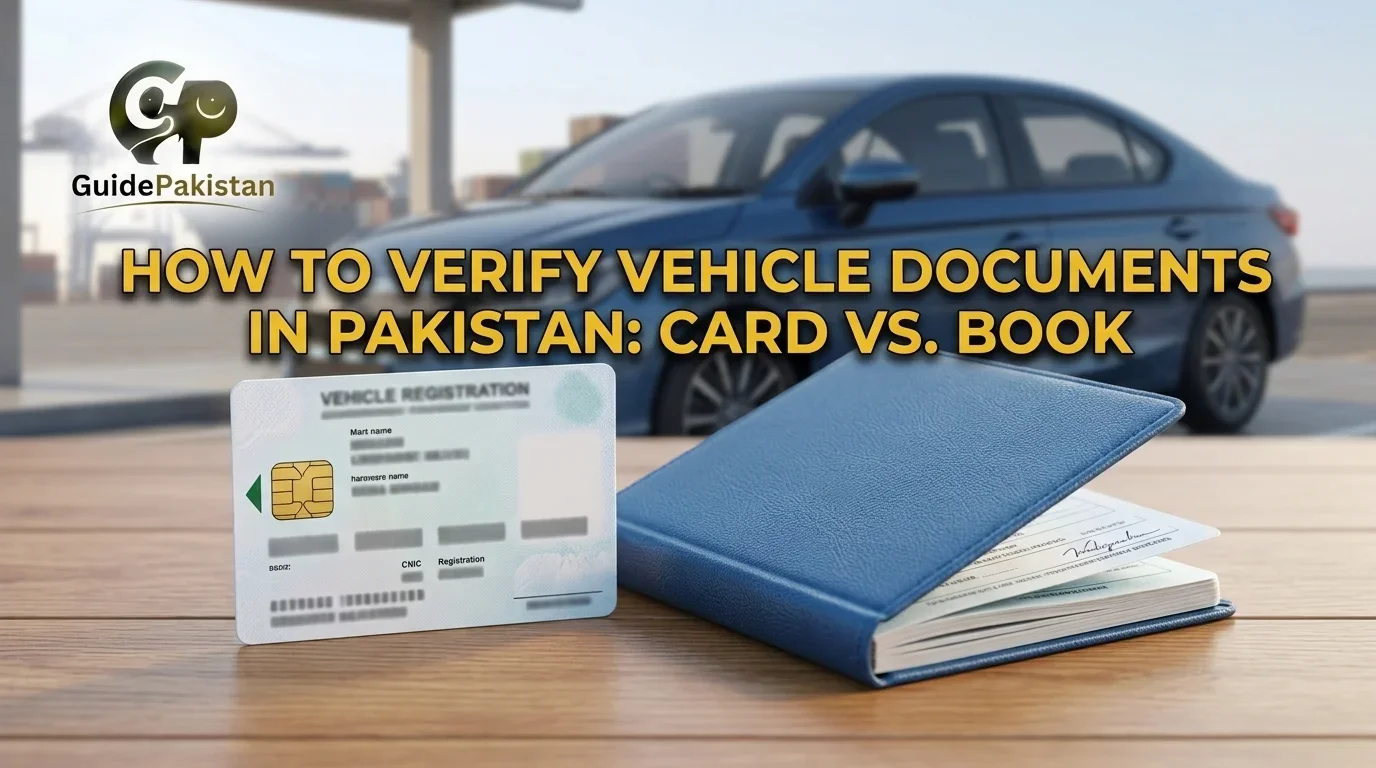
What Is the Difference Between a Smart Card and a Vehicle Registration Book?
When you register a vehicle in Pakistan, you may receive or encounter a vehicle registration book, a smart card/registration card, or an e-registration card, depending on the vehicle, province and registration system being used.
Many vehicle owners are confused about whether a smart card and registration book are different legal documents, whether one is better than the other, and whether an old registration book is still important after a smart card has been issued.
The basic difference is that a registration book is the older paper-based form of the vehicle registration certificate, while a smart card is a modern card-format registration certificate containing the vehicle and owner information in a more compact and secure format. Punjab Excise describes the registration certificate as the document issued by the registering authority and has introduced automated registration cards and e-registration services as part of the modernization of vehicle registration.
What Is a Vehicle Registration Book?
A vehicle registration book is the traditional paper document associated with the registration of a motor vehicle.
It records important information about the vehicle and its registered owner. Depending on the registration system and age of the document, it can contain information relating to the registration number, owner, vehicle specifications, engine number, chassis number and other registration details.
The registration certificate is important because the registering authority maintains the official registration record. Punjab Excise states that the registering authority issues the certificate of registration in Form G and records its particulars in the official record.
Older vehicles may therefore have a physical registration book rather than the newer card-format certificate.
What Is a Vehicle Smart Card?
A vehicle smart card is a modern, card-format registration certificate.
In Punjab, the Excise Department's automated registration-card specifications include information such as the registration number, vehicle category, owner's name, father/husband's name, address, CNIC, chassis number, engine number and hire-purchase information. The reverse side can include registration date, manufacturing year, body type, manufacturer, model, colour, horsepower/CC, seating capacity, laden weight and motor vehicle tax information.
The card can also contain electronically encoded vehicle information. Punjab Excise's published specifications state that information such as registration number, chassis number, address, mobile number, engine number, colour, owner name and token-tax information can be encoded in the card's NFC memory chip.
In simple terms, the smart card is designed to make the registration certificate more compact, standardized and compatible with computerized vehicle records.
Smart Card vs Registration Book: Main Difference
The easiest way to understand the difference is to compare their format and method of storing registration information.
| Feature | Registration Book | Smart Card |
|---|---|---|
| Format | Paper document/book | Plastic card |
| System | Traditional registration system | Modern computerized/automated system |
| Information | Vehicle and owner registration details | Vehicle and owner registration details |
| Size | Larger and less convenient to carry | Small and wallet-friendly |
| Durability | Paper can become damaged or worn | More durable physical format |
| Electronic data | Generally paper-based | May include electronically encoded information |
| Common with | Older registrations | Newer/updated registrations |
| Official registration record | Maintained by Excise | Maintained by Excise |
| Replacement | Duplicate registration certificate can be requested | Replacement/duplicate procedure may apply |
| Verification | Can be supported by official registration records | Can be supported by computerized registration records |
The exact document issued to an owner depends on the applicable provincial system and the vehicle's registration history.
Is a Smart Card the Same as a Registration Certificate?
A smart card is essentially a modern format of the vehicle registration certificate rather than a completely different type of vehicle ownership.
The important distinction is between the physical format of the certificate and the official registration record maintained by the Excise authority.
Punjab's legal framework refers to the certificate of registration and provides for its issuance by the registering authority. The department has subsequently introduced automated registration cards and e-registration services.
Therefore, vehicle owners should not think of the smart card as creating a completely separate registration. It represents the registration information in a modern card-based format.
Why Did Smart Cards Replace Traditional Registration Books?
The move toward smart cards is part of the broader computerization and modernization of vehicle registration.
Punjab Excise lists the introduction of an automated registration card and integration of motor-vehicle databases among its modernization initiatives.
A card is also easier for an owner to carry than a paper registration book. Computerized registration makes it easier for authorities to maintain centralized records and provide online services.
Punjab Excise currently provides online verification of registered vehicles among its listed services.
What Information Is Usually Shown on a Smart Card?
The exact layout can change, but Punjab's published specifications identify a substantial amount of information for the automated registration card.
The front can include:
-
Registration number
-
Vehicle category
-
Owner's name
-
Father's or husband's name
-
Address
-
CNIC
-
Owner's mobile number
-
Chassis number
-
Engine number
-
Hire-purchase information
-
Previous registration or vanity number, where applicable
The reverse can include:
-
Registration date
-
Month and year of manufacture
-
Body type
-
Manufacturer
-
Model
-
Colour
-
Horsepower or engine capacity
-
Card serial number
-
Seating capacity
-
Laden weight
-
Motor vehicle tax information
Punjab Excise's published card specifications also describe information that can be encoded electronically in the card's memory chip.
Does the Registration Book Contain More Information?
An older registration book may contain registration information across multiple pages and may provide space for endorsements or changes made during the vehicle's registration history.
However, you should not assume that every old registration book has exactly the same layout or information. Older documents can vary according to the registration authority, period of issuance and type of vehicle.
The important point is that the official registration record is maintained by the relevant registering authority.
Is a Smart Card Proof of Vehicle Ownership?
A registration certificate identifies the person recorded as the registered owner of the vehicle, but buying a vehicle involves more than simply possessing a physical card or book.
For example, when ownership is transferred in Punjab, Excise requires documents including the prescribed transfer form, seller's CNIC copy, purchaser's CNIC copy, witnesses' copies and the original registration certificate with updated token-tax payment.
This means that simply having a smart card or registration book in your possession should not be treated as the entire legal process for establishing or transferring ownership.
Always complete the official ownership-transfer procedure.
What Happens When a Vehicle Is Sold?
When a registered vehicle is sold, the registration record needs to be updated through the applicable transfer process.
Punjab Excise lists transfer-of-ownership requirements and specifically refers to the original registration certificate containing updated token-tax payment.
Therefore, a seller should not rely only on a private sale agreement or handing over the registration card/book. The official registration record should be transferred according to the applicable Excise procedure.
What If the Registration Book Is Lost?
Losing a registration certificate does not mean that the vehicle can never be documented again.
Punjab Excise provides a procedure for a misplaced or stolen registration certificate. Its published requirements include a police report, the damaged registration certificate where applicable, a copy of the applicant's CNIC, and other documents depending on the vehicle and registration arrangement.
The department also publishes a duplicate-registration-certificate service/fee category. Current charges should always be checked with the relevant Excise authority before making payment because fees can change.
What If the Smart Card Is Lost?
A lost or damaged registration card should be dealt with through the relevant Excise authority rather than by creating an unofficial replacement.
Punjab Excise provides official registration-certificate replacement/duplicate procedures and publishes a duplicate registration certificate category.
The exact procedure can depend on the vehicle's registration record and the current system in the province.
What Is an E-Registration Card?
Punjab has also introduced an e-registration card.
The Punjab Excise Department announced the introduction of the e-registration card in January 2025 and instructed vehicle owners that they could download the e-registration card rather than waiting for the physical registration card.
This is important because vehicle registration is increasingly moving toward digital records and electronic access.
An e-registration card should not automatically be confused with the traditional paper registration book. It is part of the department's newer digital registration system.
Can You Verify a Vehicle Online?
Punjab Excise lists Online Verification of Registered Vehicles among its services.
Online verification can be particularly useful when buying a used vehicle because a buyer should not rely exclusively on a physical document.
Before purchasing a used vehicle, compare the registration information with the vehicle itself and the official record. Pay particular attention to:
-
Registration number
-
Chassis number
-
Engine number
-
Owner information
-
Vehicle make and model
-
Registration status
-
Token-tax information where relevant
If information does not match, investigate the discrepancy before completing the transaction.
Which Is Better: Smart Card or Registration Book?
It is more accurate to describe them as different formats of registration documentation rather than saying that one universally makes a vehicle more legally valid than the other.
A smart card is more convenient to carry and is designed for the modern computerized registration environment. A traditional registration book is an older paper format and may still be associated with older vehicle registrations.
The most important issue is whether the vehicle's registration is genuine, current and correctly recorded with the relevant authority.
Do You Need to Keep the Old Registration Book After Receiving a Smart Card?
If a vehicle has been converted or updated to a newer registration-card system, do not casually discard old vehicle documents.
Keep important vehicle records safely unless the relevant Excise authority specifically tells you that a document is no longer required.
This is particularly important for older vehicles with historical registration documents, transfer records or other supporting papers.
Smart Card Does Not Replace Every Vehicle Document
Another common misunderstanding is that the smart card replaces every document associated with a vehicle.
It does not necessarily do so.
A vehicle may have other relevant documents depending on its circumstances, including purchase documents, transfer documentation, tax records, import documents, hire-purchase documents or registration files.
Punjab Excise's own registration-document guidance identifies documents such as Form F, sales invoice, sales certificate/import documents, CNIC copies and transfer documentation as part of vehicle registration records.
Therefore, the smart card should be understood as the registration certificate/card, not as a replacement for every supporting document.
Smart Card and Vehicle Registration Book in Different Provinces
Pakistan does not operate a single identical vehicle-registration process for every province.
Punjab, Sindh, Khyber Pakhtunkhwa, Balochistan, Islamabad and other jurisdictions can have different systems, fees, cards, online services and procedures.
For this reason, a vehicle owner should always check the relevant provincial or territorial Excise/registration authority.
A smart card issued in one jurisdiction may have a different design or process from one issued elsewhere.
What Should You Check When Buying a Used Vehicle?
Whether the seller gives you a smart card or a registration book, the physical document alone should not be the only thing you inspect.
Check the vehicle's registration record through the relevant official system where available.
Then compare the official information with the vehicle:
-
Registration number
-
Chassis number
-
Engine number
-
Make
-
Model
-
Colour
-
Registered owner's details
-
Token-tax status where applicable
-
Transfer history where available
-
Any relevant hire-purchase information
If there is a mismatch between the physical vehicle and registration record, stop and resolve the issue before completing the purchase.
Smart Card vs Registration Book: Simple Explanation
For someone unfamiliar with vehicle documentation, the difference can be summarized very simply:
Registration Book: The traditional paper-format vehicle registration certificate.
Smart Card: The newer card-format registration certificate used in computerized vehicle-registration systems.
E-Registration Card: A digital/electronic version made available through the modern registration system in jurisdictions offering the service.
All three should not be confused with the complete collection of documents that may exist in a vehicle's registration file.
Final Advice for Vehicle Owners
If your vehicle has a traditional registration book, do not assume that the document is invalid simply because newer vehicles receive cards. Check the vehicle's registration status with the relevant Excise authority.
If you have a smart card, keep it safe and make sure the information printed on it matches the vehicle and official record.
If you are buying a used vehicle, verify the registration rather than relying solely on the seller's physical documents.
Punjab Excise provides online vehicle-verification services and has continued to move toward automated and electronic registration systems.
Most importantly, procedures, charges and document requirements can change. Before applying for a duplicate certificate, transferring ownership or dealing with a lost document, check the latest instructions and fees published by the relevant Excise and Taxation authority.
For Punjab vehicles, the official Punjab Excise and Taxation Department should be treated as the primary source for current registration procedures and charges.
Guide Information
Eligibility
Vehicle owners, buyers, sellers and other persons dealing with registered motor vehicles can use this information. The exact registration-document system depends on the relevant province or registration authority.
Required Documents
Documents depend on the service being requested. For ownership transfer in Punjab, the official Excise procedure lists documents including the prescribed Transfer Order (T.O.) form, seller's CNIC copy, purchaser's CNIC copy, witnesses' copies and the original registration certificate with updated token-tax payment. Additional documents can apply in particular cases. For a lost or stolen registration certificate, Punjab Excise lists a police report and other supporting documents. Always verify the current requirements with the relevant Excise authority.
Fees
Fees depend on the service, vehicle category and applicable jurisdiction. Punjab Excise currently publishes separate charges for registration, transfer, duplicate registration certificates and smart-card/security-feature items. For example, its current motor-vehicle tax page lists a PKR 1,300 rate for the data-embedded smart card and separate duplicate-registration-certificate charges. Fees can change, so applicants should verify the latest official rate before payment.
Processing Time
Processing time depends on the registration service, province, vehicle record and current Excise workflow. No single nationwide processing time applies to all smart cards or registration books. Check the relevant Excise authority for the current service timeline.WHEN TO APPLY:Apply when registering a vehicle, transferring ownership, replacing a lost or damaged registration certificate, updating vehicle information, or when instructed by the relevant Excise authority. For a used vehicle purchase, complete the official ownership-transfer process rather than relying only on a private sale agreement.
Application Method
Depending on the province and service, application
Validity Period
A smart card or registration book records vehicle registration and does not have a universal expiry
Step-by-Step Process
- Identify the province or territory where the vehicle is registered.
- Determine whether the vehicle has a traditional registration book, smart card or e-registration card.
- Check the registration number printed on the document.
- Locate the owner's name on the registration document.
- Check the vehicle's chassis number.
- Check the engine number.
- Compare the document information with the actual vehicle.
- Check the vehicle make and model.
- Check the vehicle colour against the registration information.
- Check the registration date where shown.
- Check the engine capacity or CC where applicable.
- Check the vehicle category, such as private or commercial.
- Check the registered owner's CNIC information where available and appropriate.
- Check the token-tax information where applicable.
- Use the relevant official online vehicle-verification service if available.
- Compare the online record with the physical registration document.
- If buying a used vehicle, ask the seller to cooperate with official verification.
- Do not rely solely on a photocopy or photograph of the registration document.
- Check whether the vehicle is registered in the seller's name.
- If the vehicle is being sold, confirm the official ownership-transfer requirements.
- Obtain the required transfer documentation.
- Prepare the seller's required identification documents.
- Prepare the purchaser's required identification documents.
- Complete the prescribed transfer form where required.
- Check whether token tax or other dues need to be updated.
- Submit the transaction through the authorized Excise channel.
- Pay the applicable official fees and taxes.
- Keep the official payment receipt or transaction evidence.
- Check the updated registration record after the transaction.
- Confirm that the new owner's information has been correctly recorded.
- Keep the new registration certificate or smart card safely.
- If the registration certificate is lost, report the loss according to the applicable procedure.
- Obtain a police report where required for a lost or stolen certificate.
- Apply for a duplicate registration certificate through the relevant authority.
- If information on the card is incorrect, contact the Excise authority rather than altering the card yourself.
- Keep supporting vehicle documents in a secure place.
- Check the official Excise website before using any new online service.
- Verify current fees before making a payment.
- Keep copies or secure records of important vehicle documents.
- Recheck the official registration record whenever a major ownership or vehicle-detail change is completed.
Official Information
Official Website: https://excise.punjab.gov.pk/
Contact: For Punjab vehicles, use the official Punjab Excise and Taxation Department website and its published service information for current contact details and procedures. Avoid relying on unofficial contact numbers or social-media posts.
Frequently Asked Questions
It is the traditional paper-format certificate/document associated with the registration of a vehicle.
It is a modern card-format vehicle registration certificate used in computerized registration systems.
A smart card is a modern physical format of the vehicle registration certificate.
Older vehicles may still have traditional paper registration books, depending on their registration history and jurisdiction.
They are different formats of registration documentation. A smart card is more compact and designed for modern computerized systems.
It records the registered owner, but ownership transactions should be completed through the official registration-transfer process.
The smart card alone should not be treated as the complete sale or ownership-transfer process. Follow the official transfer procedure.
Where the registration book is the applicable registration certificate, it can form part of the official transfer documentation, subject to the relevant authority's requirements.
Punjab's published specifications include owner and vehicle information such as registration number, owner's name, CNIC, chassis number, engine number, model, colour and other vehicle details.
Punjab's published automated-card specifications describe electronically encoded information in the card's NFC memory chip.
It is an electronic registration-card service introduced as part of Punjab's modern vehicle-registration system.
No. An e-registration card belongs to the newer digital registration system, while a registration book is a traditional paper document.
Punjab Excise lists online verification of registered vehicles among its available services.
Yes. Compare the physical vehicle, registration document and official registration record before completing the purchase.
At minimum, compare the registration number, chassis number and engine number with the vehicle and official record.
Do not complete the transaction until the discrepancy has been properly investigated and resolved with the relevant authority.
Contact the relevant Excise authority and follow its procedure for verification or correction.
The owner should follow the official lost-registration-certificate procedure and provide the required supporting documents.
Punjab Excise provides a duplicate-registration-certificate procedure and publishes applicable charges.
Contact the relevant Excise authority to determine the current replacement or duplicate procedure.
Yes. Keep important original vehicle documents safely unless the relevant authority specifically confirms that they are no longer required.
Not necessarily. Supporting registration documents and files may still exist and can be relevant to particular transactions.
No. Purchase and sale documents can serve different purposes from the registration certificate.
No. Ownership transfer normally requires the prescribed official process and supporting documentation.
Punjab's published smart-card specifications include motor-vehicle-tax information and electronically encoded tax information.
No. Vehicle registration systems and charges can vary by province and jurisdiction.
No. Different provincial authorities can use different registration systems, formats and procedures.
A vehicle can have older registration documentation and later be moved to a newer registration-card system, depending on the applicable authority and transaction history.
Requirements vary by jurisdiction and registration system. Check the relevant provincial or territorial authority.
No. Registration information should be changed through the authorized Excise process.
Contact the relevant registration authority and follow its official correction procedure.
Ask the relevant Excise authority about the official procedure for updating registration information.
The official Punjab Excise and Taxation Department website is the primary source for Punjab vehicle-registration services and current requirements.